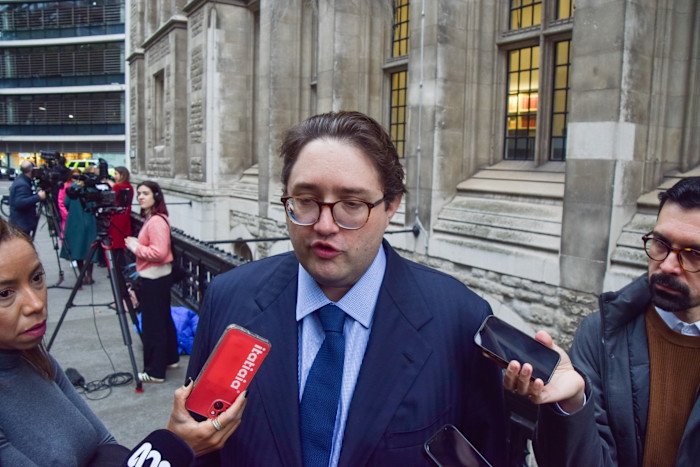
Tom Goodhead has denied wrongdoing after reports emerged about an internal probe examining spending practices within Pogust Goodhead. The controversy has attracted significant attention across the legal industry because the firm is known for handling major international group litigation cases. Allegations connected to executive expenses and financial oversight have now placed the organisation under intense scrutiny.
While Goodhead strongly rejects claims of misconduct, the situation has created pressure on the firm to demonstrate transparency, accountability, and stable leadership. The dispute also highlights the growing importance of governance standards inside large legal businesses operating on an international level.
Internal Probe Draws Industry Attention

The internal review reportedly focused on spending connected to senior leadership, including allegations involving expensive travel, hospitality, and other luxury costs. As the story developed, many observers closely followed the role of the UK lawyer at the centre of the controversy, especially because of his public profile and influence within the firm.
Goodhead has denied any improper conduct and insists the allegations do not reflect wrongdoing. Still, the investigation itself has created reputational challenges for Pogust Goodhead, which now faces questions about financial oversight and internal governance procedures.
In the legal sector, even unproven allegations can create serious pressure because trust is one of the industry’s most important assets. Clients, investors, and business partners often expect law firms to maintain strict financial controls and professional accountability at every level of leadership.
Leadership Pressure Continues To Grow

The controversy surrounding the probe has increased uncertainty around the future direction of the firm. Leadership disputes can affect employee confidence, public image, and relationships with clients involved in ongoing legal cases.
For a law firm managing large and complex litigation, stability is essential. Any public disagreement involving governance or spending may lead outside observers to question whether internal management systems are operating effectively.
Pogust Goodhead may now need to reassure stakeholders through clearer communication, stronger compliance procedures, and visible governance reforms. Companies facing similar controversies often attempt to rebuild confidence by improving transparency and strengthening oversight structures.
Reputation And Future Risks

The legal industry is highly competitive, and reputation can directly influence future growth. Allegations linked to spending practices may affect how potential clients, partners, and legal funders view the firm moving forward.
At the same time, the outcome of the internal probe could determine whether the controversy becomes a temporary setback or a long-term reputational issue. If Pogust Goodhead successfully demonstrates accountability and organisational discipline, it may be able to reduce the impact of the allegations.
However, continued uncertainty or additional public disputes could create further challenges. Law firms handling international claims rely heavily on credibility, and maintaining that trust becomes more difficult when internal governance issues reach public attention.
Conclusion
Tom Goodhead’s denial of misconduct has not stopped scrutiny surrounding the internal spending probe at Pogust Goodhead. The controversy has placed governance, leadership, and financial oversight under the spotlight at one of the most visible litigation firms in the industry. While the final outcome remains uncertain, the situation demonstrates how quickly reputational risks can emerge when questions about executive conduct and company spending become public.