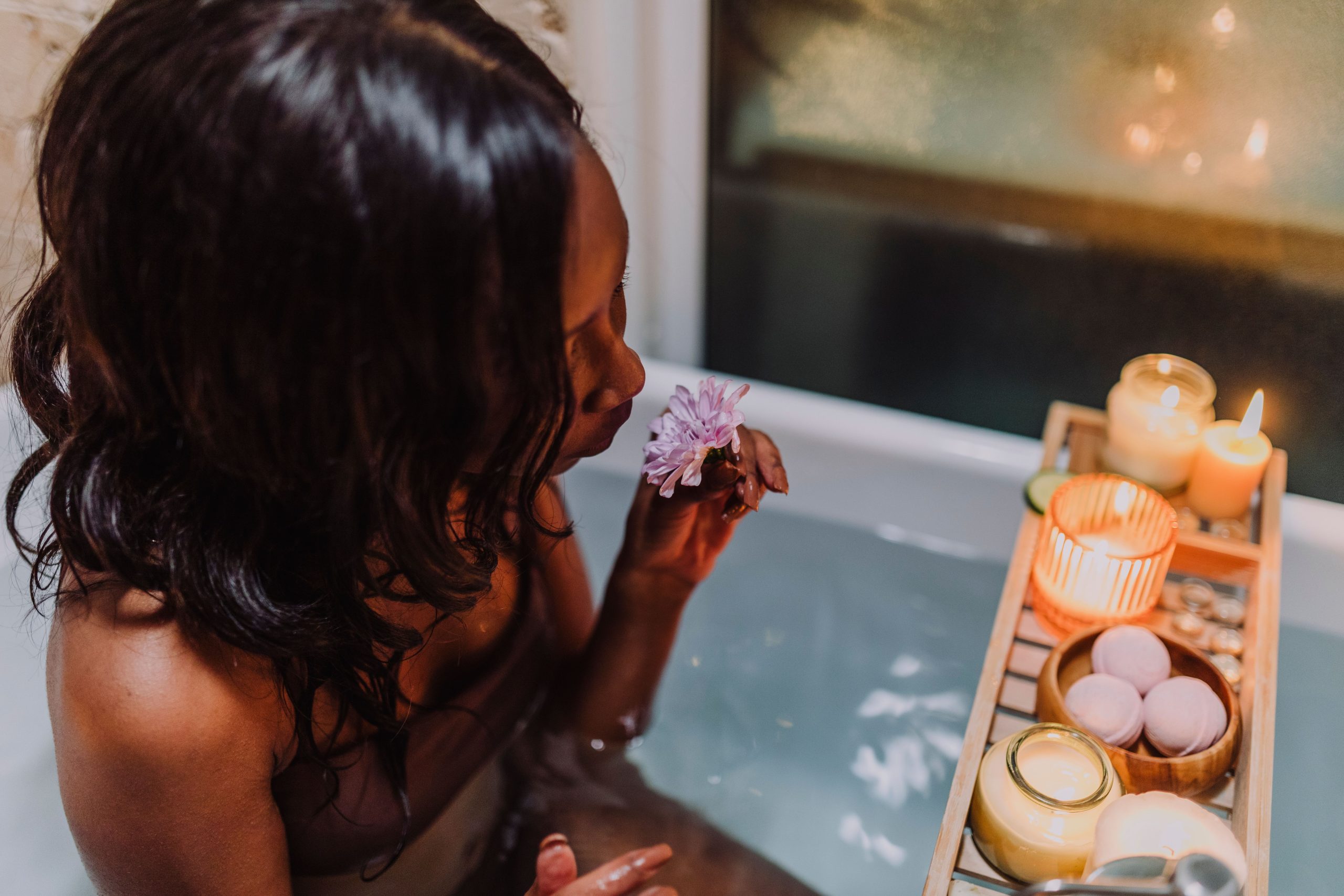
The gap between a five-star spa day and an ordinary Tuesday is rarely about money. Spend time in the places the genuinely pampered favour – a great European thermal bathhouse, a private island resort, a members’ club in Mayfair – and the surprise is how unglamorous the rituals actually are. Hot stones. Herbal tea. An hour with the phone out of reach. The wealthy have simply turned small pleasures into daily habits, and habits reproduce at a fraction of the price of the experiences that first taught them.
Steal the morning back
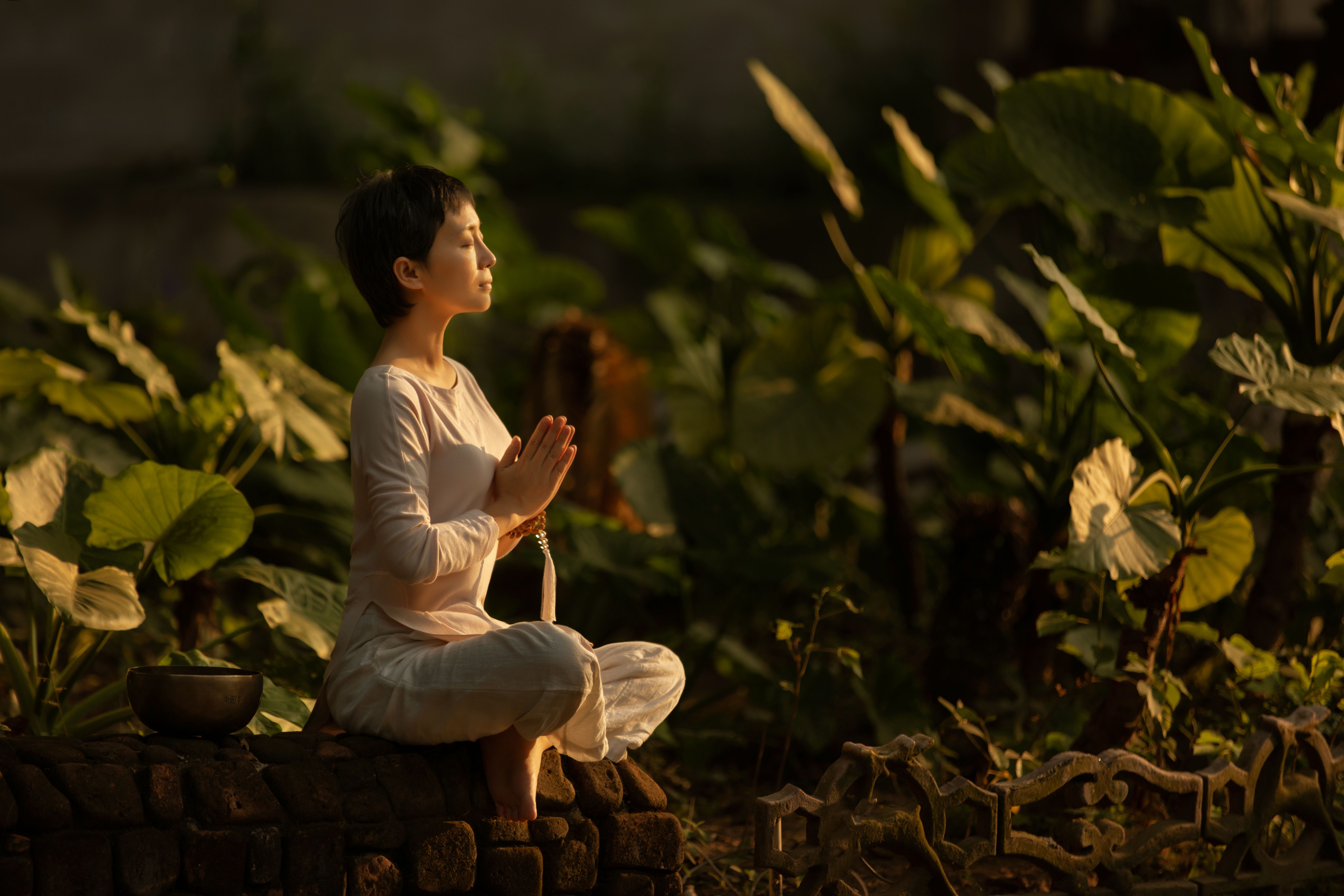
The first ritual on every luxury retreat schedule is the one guests pay the most to keep: meditation before the inbox opens. Ten quiet minutes, a cushion, a patch of morning light – it resets a nervous system that is already running by breakfast, and it costs nothing. The people who look most rested treat this as the day’s anchor, not an optional extra. I would argue the scenery matters less than the schedule. That consistency, more than the setting, is the whole secret of the morning.
Make the massage a standing appointment
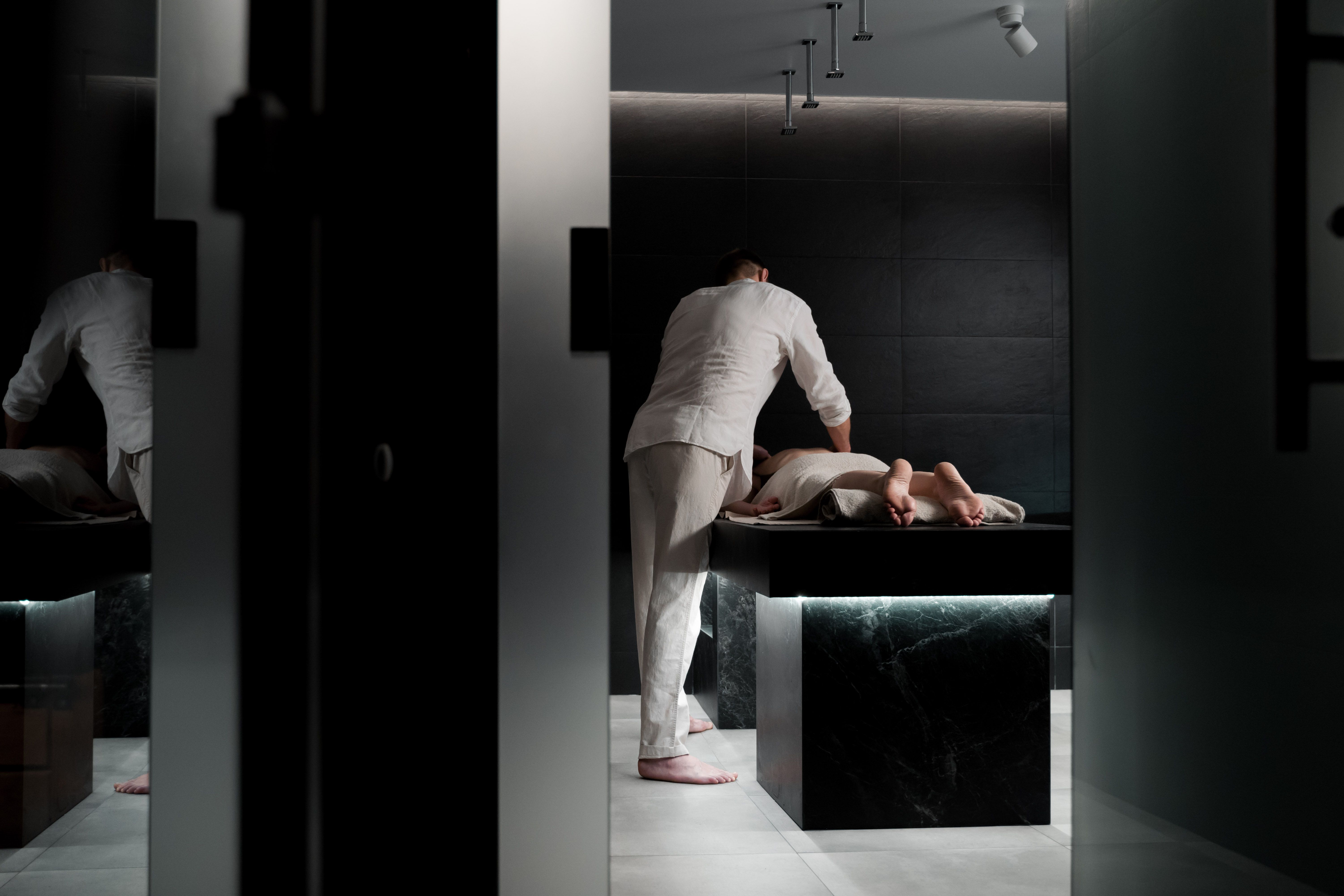
If you keep one professional indulgence a month, keep the massage. Hands-on therapy has solid evidence behind it for lowering anxiety and the immediate signs of stress; what is shakier is the spa marketing claim that it “flushes cortisol,” which a 2011 quantitative review of massage and cortisol in the Journal of Bodywork and Movement Therapies found largely evaporates next to proper control groups, even as the mood benefits held. Book the appointment in advance and treat it as non-negotiable – that is what the regularly pampered do.
Run a facial at home
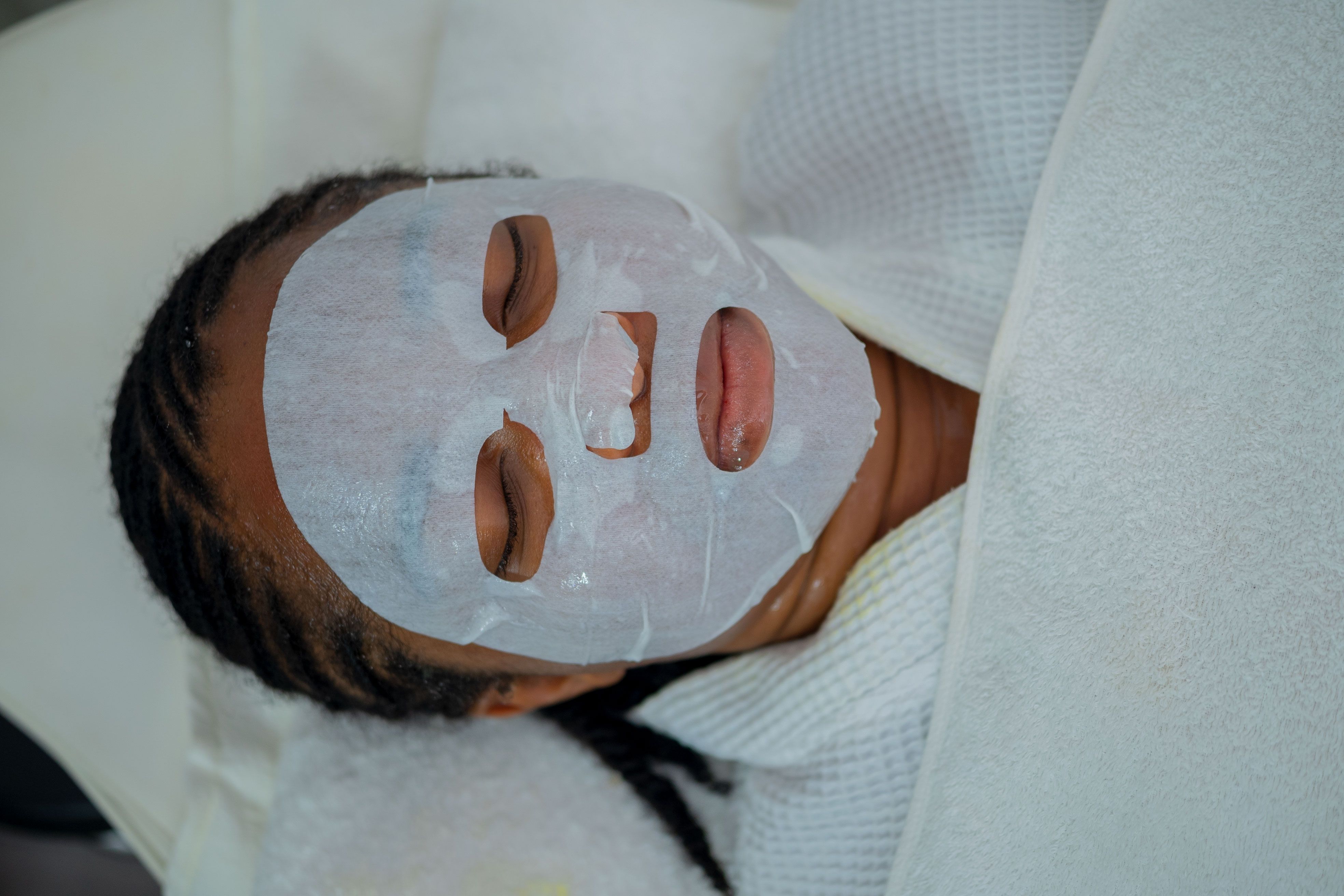
Strip a spa facial to its skeleton and you get cleanse, exfoliate, mask, moisturise – twenty minutes and a few euros, performed on a schedule instead of when the skin finally complains. Hotels sell the ambience; the results come from repetition. A warm towel, good light and a weekly slot in the calendar close ninety percent of the gap.
Heat, then recovery

This is where indulgence and evidence meet. The well-known JAMA Internal Medicine study that followed more than 2,300 Finnish men for two decades found those who used the sauna four to seven times a week fared far better on fatal heart outcomes than the once-a-week group. As the Harvard Health blog summarised, Finland’s 5.5 million people keep around 3.3 million saunas, so this is a democratised ritual rather than an aristocratic one. No cabin? A local sauna – or a hot bath followed by cool water and twenty minutes of doing nothing – borrows the same logic.
Close the evening on purpose
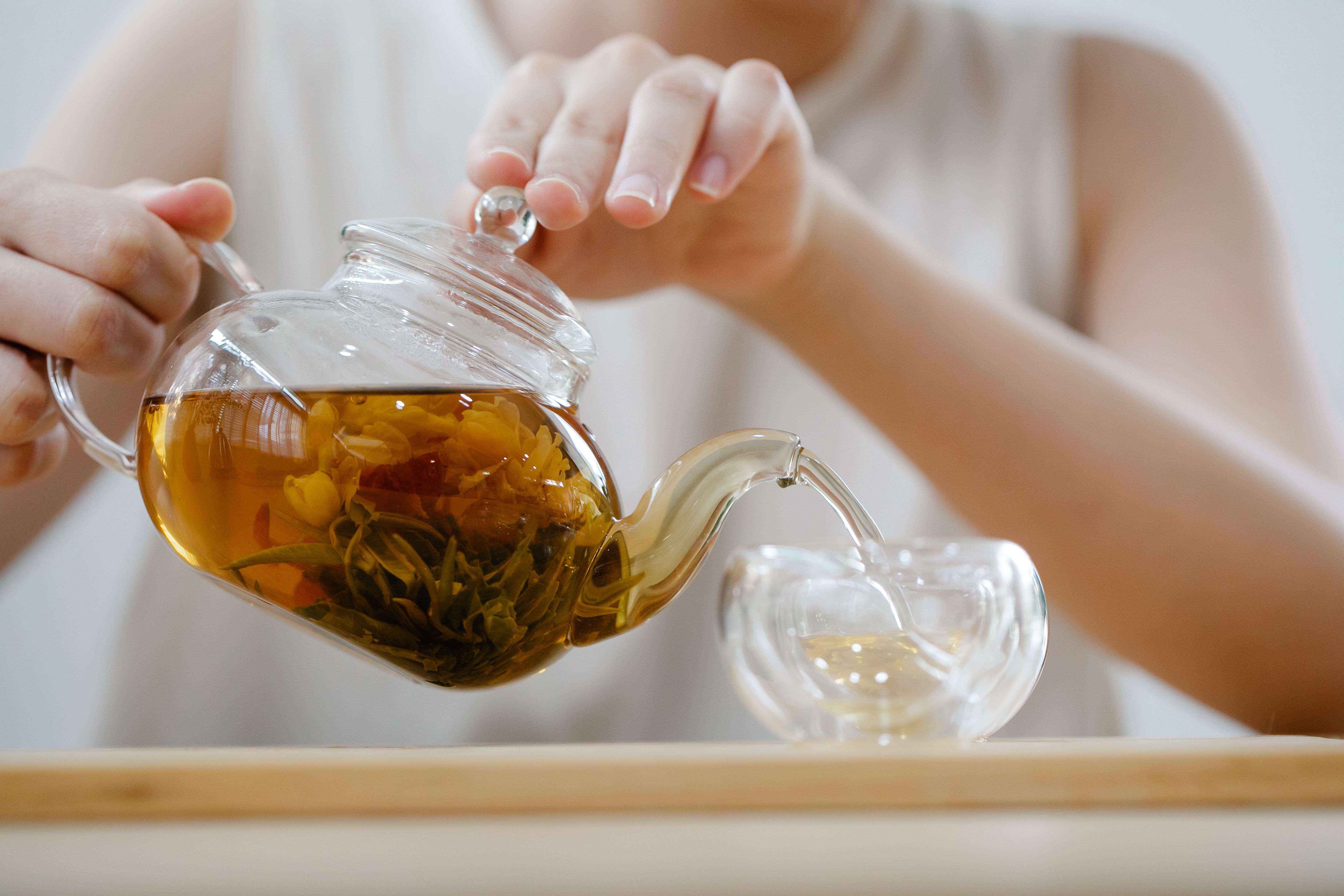
Every culture with a serious bathhouse tradition has its own version of the evening wind-down, and most end the same way: caffeine-free herbal tea at a fixed hour, a small physical cue that tells the body the day is finished. The last ingredient the truly pampered spend on, though, is not a product – it is company. Flawless companionship turns a good evening into an occasion, which is why travellers who want that polish on demand have a name for it: they book an escort München for a gala, a concert or a long dinner, so the evening is shared rather than merely survived. Steal that principle and self-care stops being a chore list; it becomes a standard you hold – alone, or with someone worth dressing for.