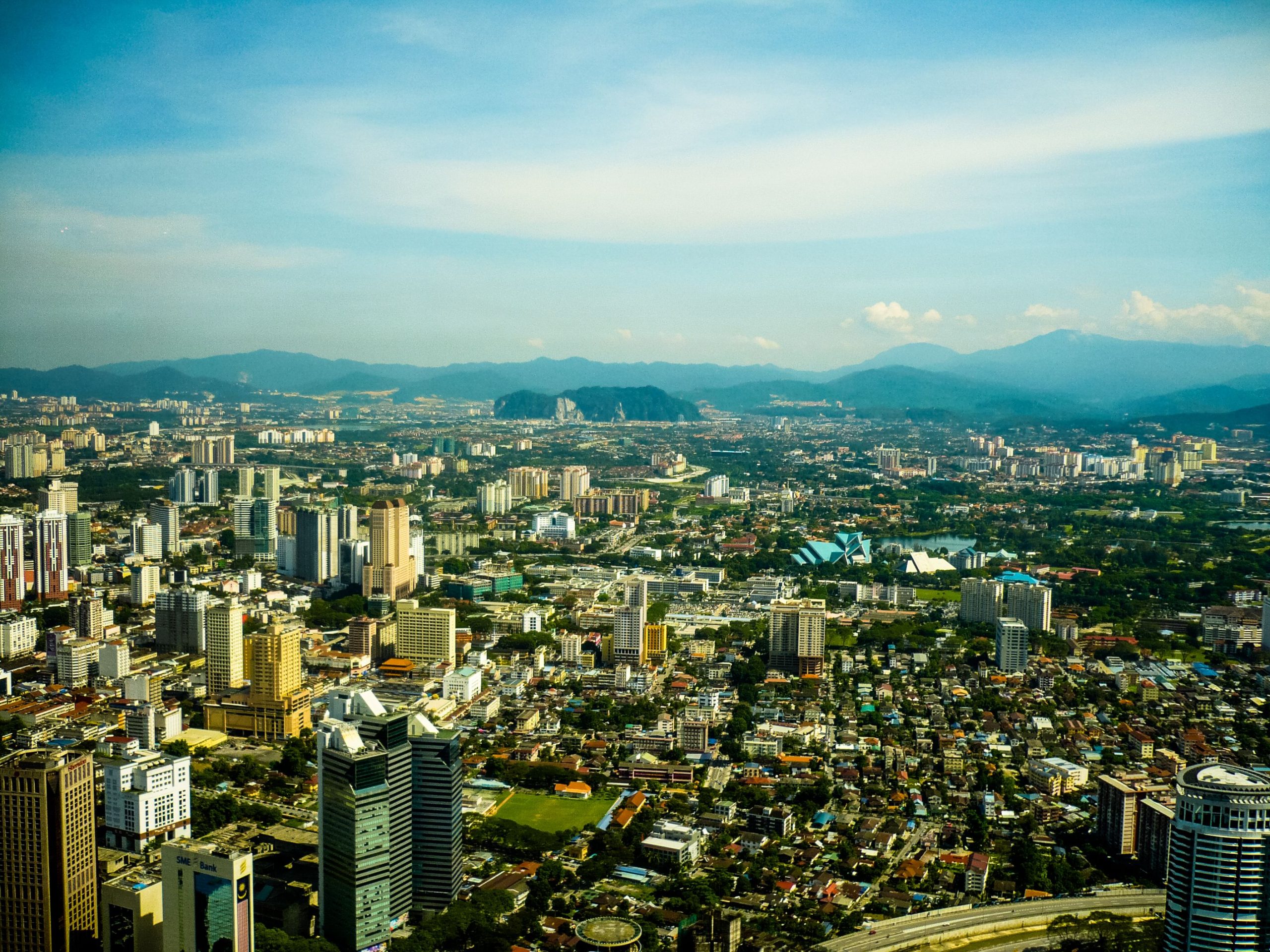
Malaysia is often described through its headline economic indicators: manufacturing exports, services, investment, and a growing middle class. Those measures matter, but they do not tell the whole story. The country is also becoming older, more digitally connected, more urban in its economic activity, and more varied from one state to another.
The most useful way to understand Malaysia today is to hold these changes together. Economic growth has remained solid, yet households still experience the economy through wages, food prices, housing, transport, education, and access to opportunity. At the same time, population growth is slowing and the share of older residents is increasing. These are not separate trends. They shape one another.
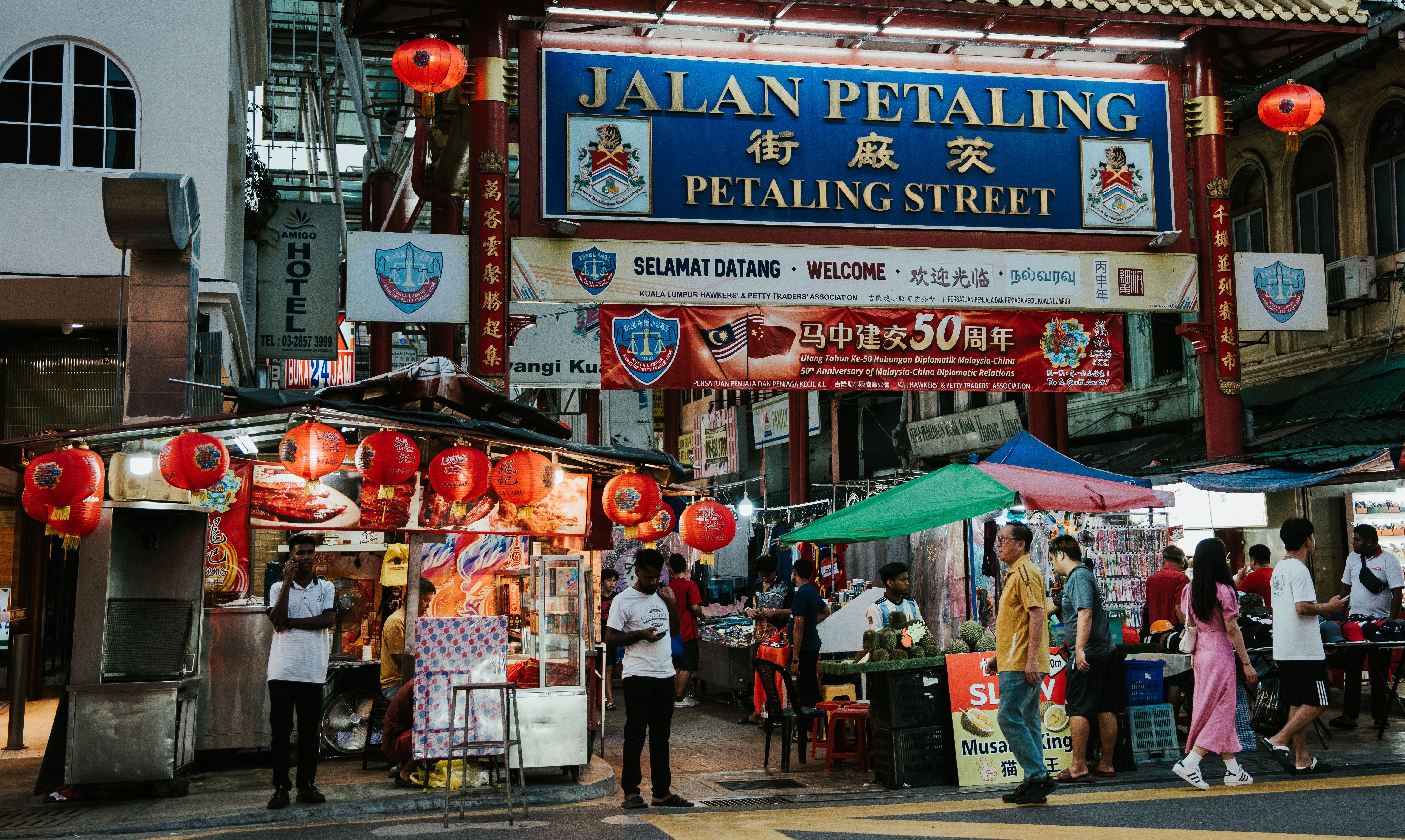
A stronger economy, with a different growth mix
Malaysia’s economy expanded by 5.2% in 2025, according to the Department of Statistics Malaysia’s 2025 GDP release. Services and manufacturing together contributed 82.5% of GDP. Private consumption remained the largest demand component, representing 60.5% of GDP, while gross fixed capital formation grew by 9.6%.
That combination is significant. Malaysia is not relying on one narrow source of activity. Services cover areas such as retail, transport, communications, finance, and tourism, while manufacturing remains central to electronics, machinery, food processing, and other export-oriented industries. Construction also expanded strongly in 2025, adding another channel for investment and employment.
The headline figures should still be read carefully. GDP growth describes production across the economy; it does not mean that every household or state experiences the same improvement. The distribution of jobs, wages, infrastructure, and business opportunities remains important, particularly when comparing the Klang Valley and major urban centres with less densely populated parts of the peninsula, Sabah, and Sarawak.
Population change is becoming an economic issue
Malaysia’s population was estimated at 34.2 million in 2025, but its annual growth rate fell to 0.5%. The 2025 Current Population Estimates from DOSM also recorded a median age of 31.3 years and a rise in the population aged 65 and above from 7.6% in 2024 to 8.0% in 2025.
That shift is gradual rather than dramatic, yet it changes the policy timetable. An older population creates stronger demand for healthcare, accessible housing, social protection, transport, and care services. It also means that productivity, lifelong learning, and the ability of older people to remain economically and socially active become more important.
The demographic picture is not identical across the country. Twelve states had reached the statistical threshold for an ageing state in 2025, while Perak had the highest share of residents aged 65 and over. Population density also varies sharply: DOSM recorded 8,546 people per square kilometre in Kuala Lumpur compared with 20 in Sarawak. National averages therefore need to be supplemented by state-level planning.
Household prosperity is improving, but averages conceal differences
Household income data provides a closer view of everyday economic conditions. DOSM reported that median household income reached RM7,017 in 2024, up 5.1% from the previous year, while mean household income rose to RM9,155. The median is particularly useful because it describes the middle household rather than being pulled upward by very high incomes.
Wages also moved upward. The median monthly salary and wage for Malaysian citizens rose to RM2,793 in 2024 from RM2,602 in 2023, based on the DOSM Salaries and Wages Survey. These nominal and real changes are encouraging, but purchasing power still depends on where a household lives and what it must pay for housing, food, transport, and services.
This is why Malaysia’s social landscape cannot be reduced to a simple division between prosperous and less prosperous groups. Differences exist within states, within occupations, and within demographic groups. The World Bank’s analysis of inequality and mobility in Malaysia emphasises that location and access to education, healthcare, public services, and employment opportunities all influence how income differences develop over a person’s lifetime.
The labour market is tight, but job quality still matters
Malaysia entered 2026 with a relatively strong labour-market position. DOSM reported that the labour force grew to 17.09 million people in 2025, the labour-force participation rate reached 70.8%, and unemployment declined to 3.0%. Those figures indicate that more people were participating in paid work and that the number of people seeking work without finding it had fallen.
The next question is whether the economy can create enough higher-productivity roles as the workforce becomes more educated and technology changes the content of work. A low unemployment rate does not by itself answer questions about wages, career progression, job security, or whether workers’ skills are being used effectively.
That makes the quality of growth as important as its pace. Manufacturing investment, professional services, logistics, digital businesses, and care-related sectors can all contribute, but each requires different skills and infrastructure. Education and training policy therefore sit at the centre of Malaysia’s economic transition rather than at its edge.
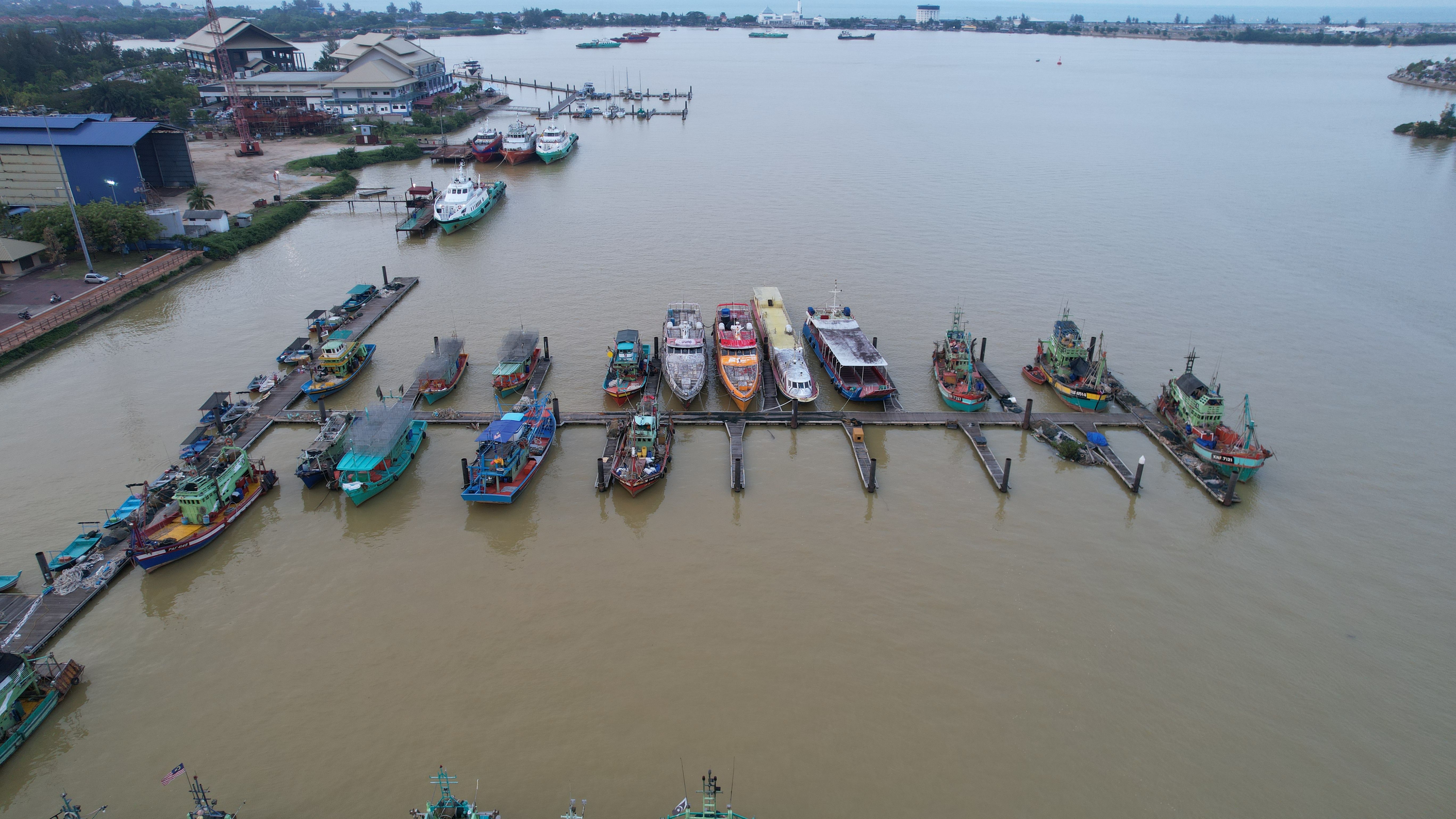
Digital access is broad; digital capability is the next test
Malaysia’s digital divide is narrower than it was a decade ago, but it has not disappeared. In 2024, 96.8% of households had internet access, according to DOSM’s ICT Use and Access by Individuals and Households Survey. Urban household access was 98.8%, compared with 90.3% in rural areas. Individual internet use reached 98.0% overall, including 95.3% in rural areas.
The figures suggest that the central issue is moving from connection to capability. Reliable access supports online learning, digital payments, public services, remote work, and small-business sales, but outcomes also depend on device quality, affordability, digital literacy, language, and the usefulness of available services.
The World Bank’s 2025 Malaysia Economic Monitor makes a similar point in its discussion of digital government: technology investment works best when it is accompanied by interoperable systems, sound data governance, capable staff, and user-centred public services. In other words, a digital society is built through institutions and skills as well as broadband coverage.
Regional diversity is a defining feature, not a footnote
Malaysia’s geography produces several economic stories at the same time. Kuala Lumpur and Selangor concentrate corporate, financial, professional, and technology activity. Penang and Johor have strong manufacturing and logistics connections. East Coast states retain important agricultural, fishing, tourism, and public-sector roles. Sabah and Sarawak add enormous geographic scale, natural-resource endowments, distinctive communities, and different infrastructure needs.
Rural development is therefore about more than moving people into cities. It includes roads, ports, schools, health facilities, agricultural productivity, market access, and connectivity. A new highway or better broadband link can change how a rural producer reaches customers, but the benefit depends on whether complementary services and skills are available.
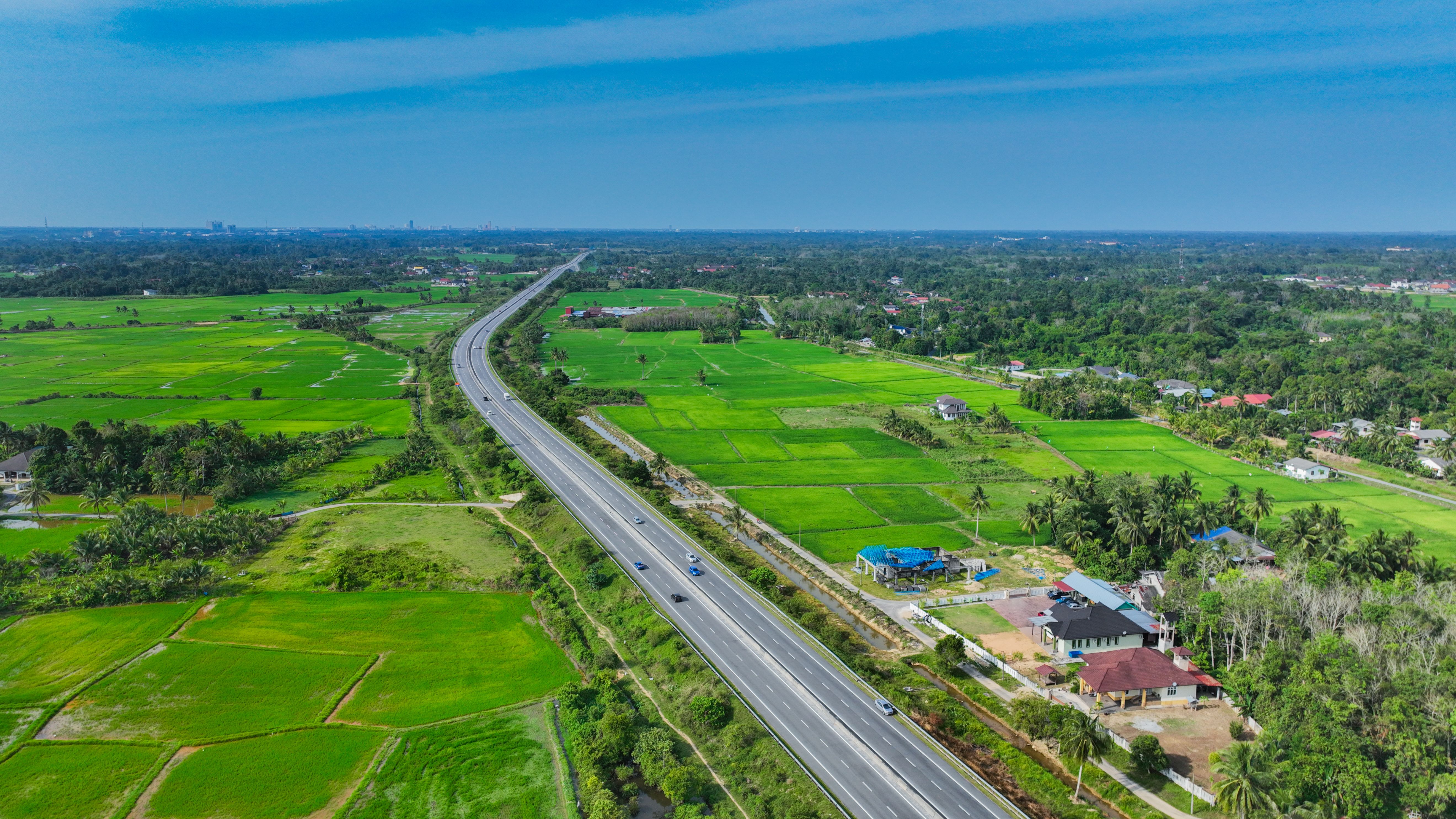
State-level developments also matter to readers trying to understand the relationship between local conditions and wider national trends. For a neutral overview of the broader regional context, see this further regional reporting.
What the next phase will require
Malaysia’s changing landscape points to a practical set of priorities. The country will need to raise productivity without leaving smaller states and rural districts behind, improve the connection between education and employment, prepare public services for ageing, and ensure that digital transformation produces accessible services rather than simply new platforms.
It will also need to interpret national statistics with care. A 5.2% growth rate, a 3.0% unemployment rate, or 96.8% household internet access is useful evidence, but none is a complete description of lived conditions. The important questions are increasingly about distribution: which regions benefit, which households can convert access into opportunity, and whether improvements remain durable when external demand changes.
Malaysia’s social and economic transition is therefore best understood as a balancing act. The country has a diversified economy, a large working-age population, expanding digital infrastructure, and improving labour-market indicators. Its harder tasks are ensuring that these strengths translate into productivity, security, and opportunity across generations and across the map.