
Game studios, publishers and esports organizations face a wide range of costs beyond game development itself. Conferences, trade shows, travel for partner meetings, team activities and everyday business expenses all need a place in the budget. This guide explains how these budgets are typically structured, how finance and production teams plan for them, and which controls help keep spending predictable.
Table of Contents
- How the Budget Framework Is Structured
- Budgeting for Events and Conferences
- Travel Budgets and Booking Policies
- Business Expense Categories at a Glance
- Team Activities and Internal Events
- Controls, Forecasting and Reporting
- Frequently Asked Questions
How the Budget Framework Is Structured
Most gaming companies plan events, travel and business expenses as part of an annual operating budget, separate from core production costs such as salaries for development teams, licensed engine tools and art outsourcing. Finance teams usually split this spending into a few broad buckets so that each one has a clear owner and a review cycle.
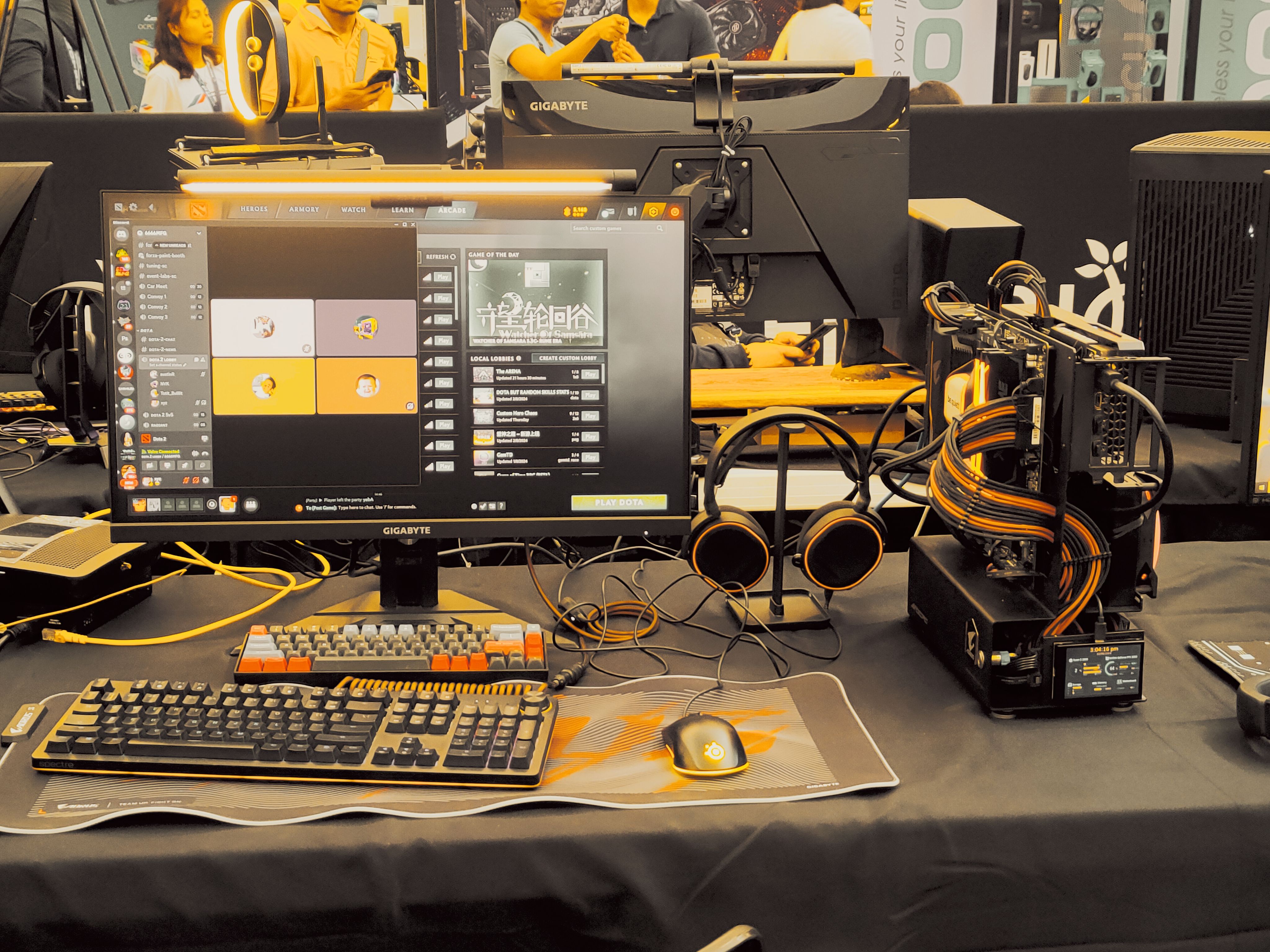
A typical structure may include:
- Events and marketing: booth fees, badges, sponsorships, demo stations and promotional materials.
- Travel: flights, ground transport, lodging and per diem meals for staff attending events, publisher meetings or client visits.
- General business expenses: software subscriptions, office supplies, client gifts and professional services.
- Internal activities: team offsites, onboarding events and recognition programs.
The exact categories and their names differ from company to company, and the proportion of the budget assigned to each depends on the studio’s stage, funding model and goals.
Budgeting for Events and Conferences
Event spending is often one of the most variable items in a gaming budget. Industry trade shows, consumer festivals and developer conferences each carry different costs and different expectations about return. Planning teams generally start by deciding what the company wants from an event, such as publisher meetings, recruiting, player feedback or press coverage, and then estimate the cost of reaching that goal.
When building an event budget, teams commonly account for:
- Registration or pass tiers, including early-bird windows that may lower costs if purchased in advance.
- Booth or shared-space fees, which can range widely depending on location and size.
- Production costs, such as banners, printed materials, equipment rentals and demo hardware.
- Staff time away from development, which is an indirect cost that many planners include in their estimates.
Pricing for events changes from year to year and varies by region and format, so most teams treat published prices as a starting point and confirm current rates before committing funds.
Travel Budgets and Booking Policies
Travel is closely tied to events, but it also supports day-to-day work such as meeting external partners or visiting a co-development studio. Many organizations set travel policies that define approved fare classes, lodging limits, approval steps and reimbursement rules. These policies help keep costs consistent across teams.

For companies based in the United States, the Internal Revenue Service explains in IRS Publication 463, Travel, Gift, and Car Expenses, which travel costs may be deductible when they are ordinary and necessary for a trade or business. Whether a specific expense qualifies generally depends on the facts and circumstances, so finance teams typically check current guidance or consult a tax professional.
Common travel budgeting practices include:
- Setting a per-trip budget based on the event calendar and the number of attendees.
- Booking flights and hotels early, when fares and rates are often more predictable.
- Sharing booths or combining meetings into a single trip to reduce duplicated costs.
- Requiring documented receipts and a clear business purpose for each expense.
Business Expense Categories at a Glance
The table below summarizes how common business expense categories are usually planned and recorded. Treatment details vary by jurisdiction and by company policy, so the notes should be read as general guidance.
Team Activities and Internal Events
Internal events such as studio offsites, playtesting nights and onboarding days support team cohesion and communication. Because these activities can be hard to measure in direct financial terms, many companies assign them a fixed annual allowance per team rather than approving each event individually.

Budget owners often define:
- A per-person or per-team spending limit for each quarter or year.
- Which activities count as internal business expenses and which are personal benefits.
- Who approves events and how attendance is recorded.
Controls, Forecasting and Reporting
Once categories and limits are set, most finance teams add controls to track actual spending against the plan. Regular reporting helps managers spot overruns early and adjust the next quarter’s plan. Industry coverage and independent analysis of corporate travel and spending can also provide context for comparing internal policies with broader practice, and some organizations review reports on corporate travel and spending when benchmarking their own expense policies.
Useful controls commonly include:
- Pre-approval for trips and events above a set threshold.
- Monthly variance reports comparing forecast and actual costs.
- Expense platforms that attach receipts and classify spending automatically.
- A post-event review that compares the cost of each event with the goals set beforehand.
Frequently Asked Questions
Do gaming companies budget events separately from development costs?
Many companies do. Events, travel and business expenses are often planned as separate operating lines so that marketing and production teams each see their own totals.
How do teams decide which events to attend?
Teams typically start with a clear goal, such as meeting publishers or gathering player feedback, and then compare the audience, format and total cost of each option against that goal.
Are business travel costs always tax deductible?
Not necessarily. Deductibility generally depends on whether the expense is ordinary and necessary for the business and on the specific facts, so companies usually confirm treatment with current guidance or a tax professional.
How do companies track whether an event was worth the cost?
A common method is to define success metrics before the event, such as meetings held or follow-up opportunities, and then compare the results with the total cost after the event ends.
Conclusion
Budgeting for events, travel and business expenses in the gaming industry comes down to clear goals, defined categories and steady monitoring. Studios that set a purpose for each event, apply consistent travel rules and review spending after each cycle are generally better positioned to adjust their plans over time.