
Video games are one of the largest entertainment categories in the world, yet their growth is closely tied to the same economic forces that shape other consumer markets. Inflation, interest rates, currency movements, employment levels, and trade costs all influence how much players spend, how much companies invest, and how games are priced and distributed. This guide explains the main economic channels at work and what recent industry data shows.
Table of Contents
- How Macroeconomic Conditions Shape Player Spending
- Currency, Regional Pricing, and Local Markets
- Key Industry Figures at a Glance
- Subscriptions, Hardware Costs, and Pricing Models
- Investment, Development Costs, and Industry Structure
- Esports and Competitive Gaming Economics
- Outlook for the Global Gaming Industry
How Macroeconomic Conditions Shape Player Spending

Video games are generally treated as discretionary entertainment, so spending on them tends to respond to household budgets. When living costs rise, consumers often reassess which purchases to keep. Survey research in the BCG Video Gaming Report 2026 found that gamers are generally feeling economically squeezed, with about 65% of respondents saying they use tactics such as waiting for discounts to save money.
Several mechanisms connect the wider economy to gaming revenue:
- Disposable income: Higher living costs can reduce the budget available for entertainment purchases.
- Price sensitivity: Players may delay purchases, wait for sales, or move toward free-to-play titles.
- Substitution: Households may shift spending between games, streaming, social media, and other leisure activities.
- Consumer confidence: Uncertainty about jobs and savings often affects larger purchases first.
Currency, Regional Pricing, and Local Markets
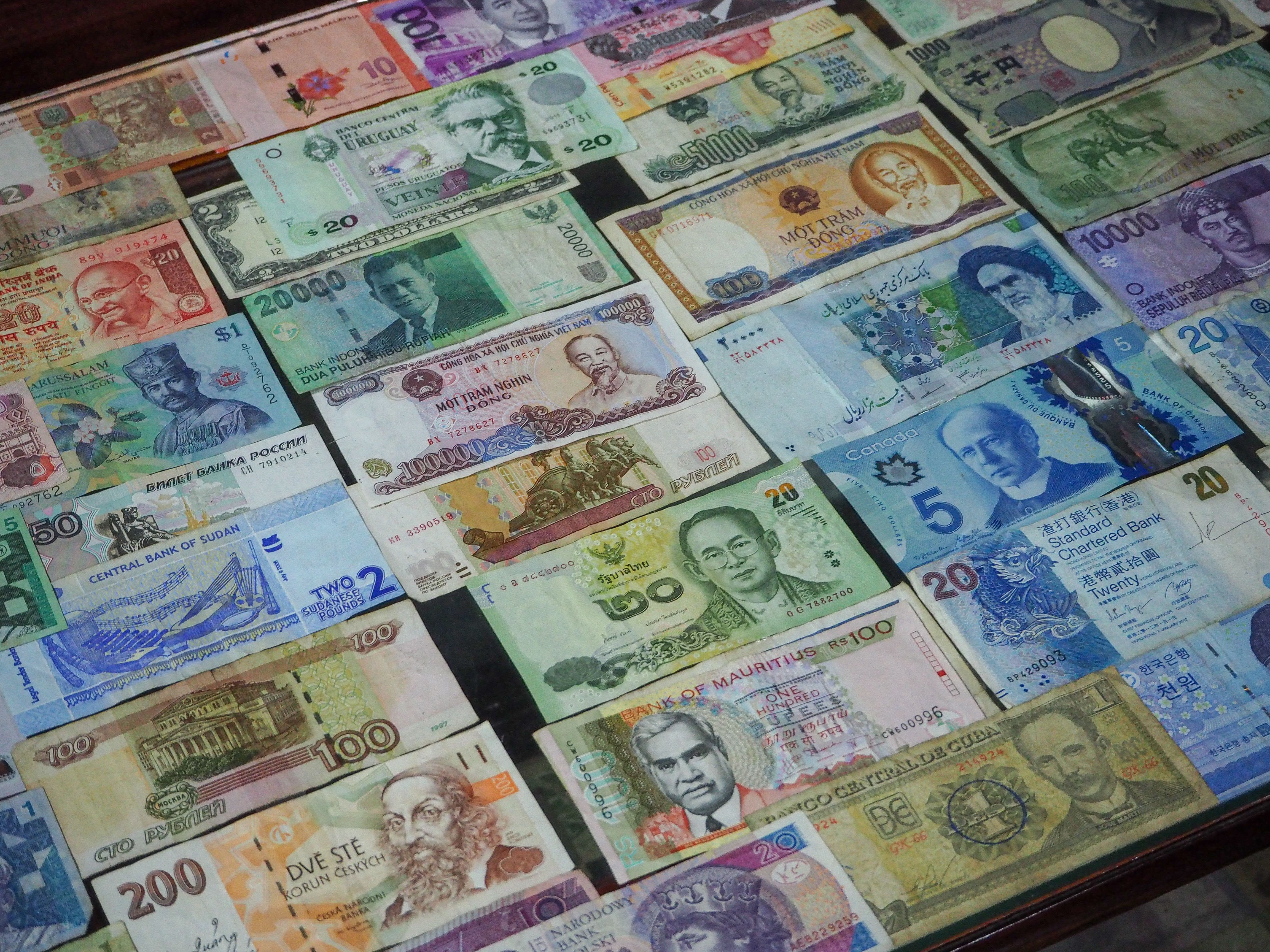
Gaming is a global business, but revenue is earned in local currencies and reported in the currencies companies use for accounts. Exchange rate movements can change how a game’s price looks to players in different countries, even when the headline price is unchanged. Publishers often set regional prices to reflect local purchasing power, which is one reason the same title may cost different amounts from one market to another.
National economic conditions add another layer. Shifts in fiscal policy, interest rates, and currency management, including the economic developments in Malaysia, can influence inflation and household income. Those changes in turn affect how much players in a given market can spend on games. Key points to consider include:
- Exchange rates affect the local-currency cost of imported hardware and digital storefront prices.
- Regional price tiers are commonly used to align prices with local incomes.
- Markets that add the most players are not always the ones generating the most revenue, because purchasing power and platform access vary widely.
Key Industry Figures at a Glance
Industry-wide data helps show how economic pressure and growth can exist at the same time. The Newzoo 2026 games market forecast projects global revenue of $213.9 billion in 2026, an increase of 6.1% year over year, while also noting that audience growth is expected to lose momentum. The table below summarizes several reference points from the sources cited in this article.
Revenue growth and consumer spending do not always move in step. Taylor Wessing notes that, adjusted for inflation, the industry is arguably flat or in marginal decline, even though nominal revenues have reached record levels.
Subscriptions, Hardware Costs, and Pricing Models

Economic conditions influence not only how much players spend but also which business models gain ground. Subscription services, free-to-play games, and in-game purchases spread spending across smaller, more frequent payments, which many households may find easier to manage than a single premium purchase.
Hardware faces different pressures. Mintel’s analysis of the U.S. gaming market notes that demand for AI datacenter components could raise component costs and create supply shortages, which may slow future console and PC refresh cycles. Factors to watch include:
- Component prices, which affect the cost of consoles, graphics cards, and storage.
- Price changes for games and subscriptions, which can shape purchase decisions.
- Discounted and secondary markets, which may give budget-conscious players alternatives.
Investment, Development Costs, and Industry Structure

Economic conditions also shape how games are made. Changes in borrowing costs and investor appetite can affect venture funding and the budgets available for new projects. Taylor Wessing reports that private capital investment in games fell by 55% in 2025, and that investment in new content as a share of industry net revenue was at a seven-year low. Some job growth in the sector has also shifted toward lower-cost locations.
These pressures tend to affect the industry in several ways:
- Reduced venture funding can make it harder for smaller studios to finance projects.
- Higher development costs may encourage publishers to rely on established franchises and long-running live-service games.
- Companies managing budgets may expand development in regions with lower operating costs.
Esports and Competitive Gaming Economics

Competitive gaming depends on sponsorship, media rights, ticket sales, and publisher-run tournaments. Because sponsors may adjust marketing budgets when the wider economy slows, esports income can be sensitive to economic cycles. Organizers often respond by diversifying revenue through streaming partnerships, merchandise, and regional events.
Outlook for the Global Gaming Industry
Economic change affects the gaming industry through spending power, currency values, hardware costs, investment, and business models. Newzoo’s forecast suggests that future growth may depend more on retaining existing players and increasing spending within them than on rapidly acquiring new ones.
When assessing where the industry is heading, it helps to monitor a few indicators together:
- Inflation and household spending trends in major markets.
- Exchange rate movements and regional price adjustments.
- Hardware component pricing and its effect on refresh cycles.
- Subscription uptake and the balance between premium and free-to-play spending.
- Venture funding and development budgets for new content.
No single figure tells the full story. Record revenue, rising prices, and tighter hardware costs can point in different directions at the same time, and understanding the economic reasons behind each movement offers a clearer view of how the global gaming market is likely to develop.